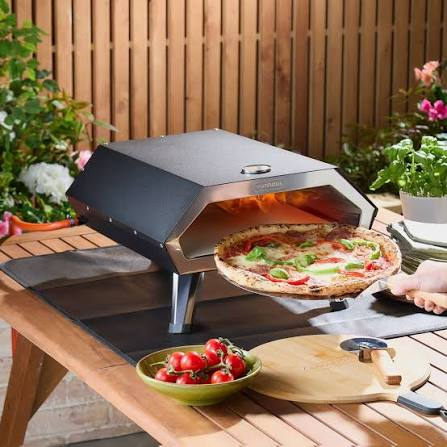
Pizza Night at Home: Gas Ovens Compared for Backyard Cooking
There is a particular magic to Friday night when the backyard starts smelling like a pizzeria. No reservations, no delivery driver circling the block. Just your family, a cold drink, and a blazing hot stone that turns raw dough into dinner in ninety seconds. If you want to make that a standing appointment, a gas pizza oven is the fastest way to get there.
Gas earns its place for one reason: reliability. Wood-fired ovens are romantic, but they ask you to babysit a flame before you learn dough. A gas oven lights with a knob, holds temperature like a thermostat, and lets you focus on the part that matters — the crust, the toppings, and who gets the first slice.
How to Start a Weekly Pizza-Night Routine
The secret to a pizza night that survives past the novelty phase is rhythm. Pick a night and protect it — Friday works because the week’s cooking fatigue is real and dough benefits from a slow ferment in the fridge all day.
Prep in the afternoon, not at go-time. Mix dough balls the day before, set out toppings in small bowls so guests and kids can build their own, and heat your oven while you eat a simple starter. When the first pizza goes in, the night runs itself: one pizza bakes while the next one gets topped, and a fresh pie hits the table every four to five minutes.
Comparing Portable Gas Models: What Actually Matters
All gas pizza ovens do the same basic job — blast a stone floor past 750°F — but the differences between models decide whether pizza night feels effortless or fussy. Judge them on three things.
Heat-Up Time and Recovery
A good portable gas pizza oven reaches cooking temperature in about 15 to 20 minutes. That number matters more than it sounds: on a busy weeknight, the difference between a 15-minute preheat and a 30-minute one is the difference between pizza night happening and ordering takeout instead. Recovery time matters too — after you pull a pizza out, the stone loses heat to the cold dough. Well-insulated models bounce back in a minute or two, so pie number four bakes as fast as pie number one.
Look for a thick cordierite or biscotto-style stone and a burner layout that wraps heat over the top, not just under the stone. Top heat is what leopards the crust and melts cheese evenly.
Capacity and Pizza Size
Most portable models bake 12-inch pizzas comfortably, which is the sweet spot for home dough — large enough to feed two adults per pie, small enough to launch without a wrestling match. Compact models that top out at 10 inches work fine for couples but slow down a crowd. If your Friday guest list tends to grow, check that the oven mouth comfortably fits your peel plus a full 12-inch round.
Think of capacity in terms of pizzas per hour, not just inches. With 90-second bakes and a minute of turnover between pies, a single oven realistically turns out ten to twelve pizzas an hour — plenty for a party if the topping line keeps moving.
Ease of Use and Cleanup
This is where gas really shines, and where model-to-model differences are most visible in daily use. Prioritize a temperature gauge you can read at a glance, a stone you can easily scrape clean, and legs that fold flat so the oven slides into the garage on school nights. Powder-coated steel wipes down with a damp cloth; stainless holds up better if your oven lives outside under a cover.
One feature worth paying for: a flame you can throttle down to a whisper for the final « bake the rim » minute without moving the pizza. Models with precise low-end control give you that pizzeria-style puffy cornicione without blackening the bottom.
The Sides and Desserts That Complete the Night
Pizza is the headliner, but the supporting cast turns a meal into an event — and this is where the rest of your outdoor cooking setup earns its keep. While the oven preheats, fire up your outdoor grills for grilled garlic bread brushed with herb butter or a quick batch of chicken wings that hit the table while the dough rests.
Dessert is the underrated finale. Leftover dough becomes dessert pizza in two minutes flat: brush with melted butter, scatter cinnamon sugar, bake until golden, and finish with a drizzle of honey. The same stone that blistered your margherita handles sweet bakes beautifully — just let it cool a touch first so the sugar doesn’t scorch.
A simple chopped salad and a pitcher of something cold round out the menu. Total kitchen time stays under an hour.
Gas vs. Wood: Why the Ritual Sticks
None of this argues that wood-fired ovens are bad — they produce incredible flavor and a ceremony all their own. But ceremonies have a failure mode: they get skipped. Gas removes the three excuses that kill a weekly ritual: it’s too much work, it takes too long, the results were inconsistent last time. You get a hot oven in minutes and the same bake every single Friday.
That consistency is what lets the ritual compound. Week one, you’re learning to stretch dough. Week four, the kids have their own signature topping combos. By week eight, neighbors are inventing reasons to stop by on Fridays. The oven becomes furniture — part of how your household works — because using it never felt like a project.
Match the oven to your household size and how often the guest list grows, not to the biggest BTU number on the spec sheet. Most families are happiest with a mid-sized portable gas model that preheats fast and stores small — the one you’ll actually wheel out every Friday.
Conclusion
Pizza night at home isn’t really about the oven — it’s about the appointment you keep with the people you feed. But the right gas oven is what makes that appointment easy to keep: fifteen minutes of preheat, ninety seconds a pizza, and a cleanup so light it doesn’t tax the weekend. Compare the models on heat-up, capacity, and ease rather than raw specs, give the grill a supporting role for sides and dessert, and let the ritual build itself one Friday at a time.