The complete guide to the sweeper system in modern football today
Meta description: Discover the true tactical depth of the sweeper system in modern football today. Learn about its core concepts, execution, famous squads, and elite managers now.
Connect with the Tigoals.io community, football tactics constantly evolve. Over the decades, many distinct defensive shapes have emerged to neutralize brilliant attackers. One historical setup has seen a fascinating modern revival. Utilizing a sweeper system effectively completely changes how a team defends against rapid offensive transitions today.
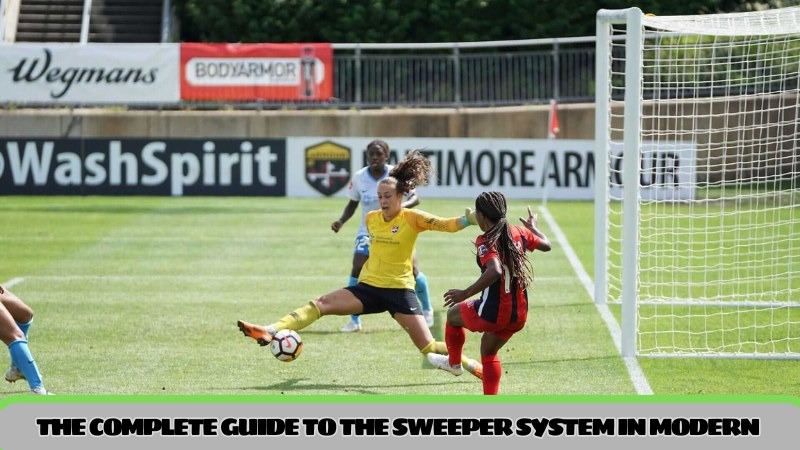
In the 2026 season, managers continuously search for defensive stability. This specific method provides immense cover behind the main defensive line. By positioning a free defender centrally, squads minimize the risk of conceding cheap breakaway goals. We will carefully explore this brilliant tactical framework.
The core concept of a sweeper system
Discover fundamental concepts that make this specific defensive setup so robust.
The free defender role
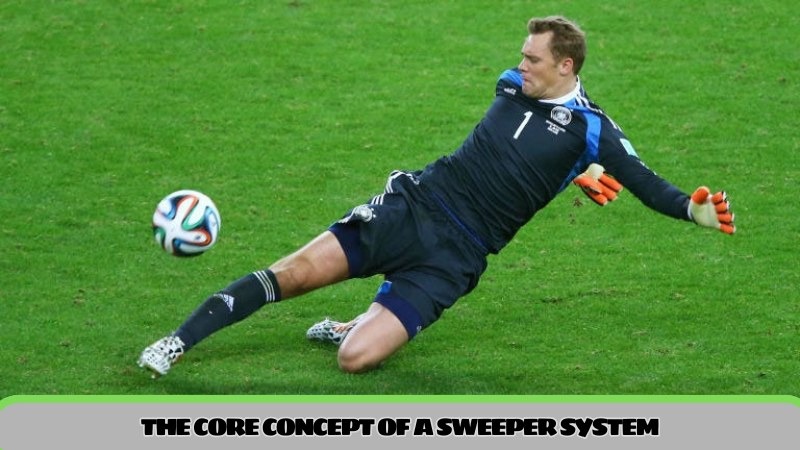
The foundation of a sweeper system relies on a central player operating without specific marking duties. This individual sits slightly behind the main defensive line. They act as the ultimate safety net, instantly clearing any dangerous passes that breach the initial defensive structure.
Freed from tracking a specific forward, this player reads the game intelligently. They anticipate where the ball will drop and intercept it cleanly. This proactive positioning drastically reduces the chaotic panic often seen during rapid counter-attacks, ensuring supreme defensive security throughout the match.
Initiating offensive transitions
Modern applications of the sweeper system are not purely defensive. Once possession is secured, this free player immediately transforms into a deep-lying playmaker. They step forward confidently, bypassing the opposition’s first pressing line with highly accurate, penetrating forward passes into the crowded midfield.
This dual responsibility demands incredible technical ability. The player must possess the defensive grit of a center-back and the expansive vision of a traditional midfielder. This unique combination allows the team to transition from a deep defensive block into a devastating attack seamlessly.
Read next: Discover the Fastest UCL Live Score updates on Tigoals
Executing the strategy efficiently
Learn the precise tactical methods required to execute this setup perfectly now.
Maintaining perfect communication
To successfully utilize a sweeper system, the entire backline must communicate flawlessly. The designated free man must constantly instruct the defenders positioned ahead of them. If an opposing attacker makes a dangerous run, they loudly dictate who should track the threatening movement immediately.
Without this constant verbal coordination, massive structural gaps inevitably appear. The player acting as the ultimate safety net must possess outstanding leadership qualities. They organize the spatial geometry of the defense, ensuring that no opposing striker receives the ball in dangerous, isolated zones.
Fluid positional rotation
Another vital execution aspect within a sweeper system involves fluid positional rotation. When the free defender steps up into the midfield to intercept a pass, another player must instantly drop deep to cover the vacated space. This synchronized rotation prevents fatal defensive vulnerabilities.
During rigorous training sessions, managers meticulously drill these rapid structural shifts. Every athlete on the pitch learns to recognize specific visual triggers. This intense preparation guarantees that the defensive wall remains completely impenetrable, even when facing highly dynamic and aggressive modern attacking football teams.
Famous teams utilizing this setup
Examine the legendary football squads achieving massive success with this setup.
Historic tactical pioneers
When discussing the sweeper system, one must immediately acknowledge the legendary Italian teams of the twentieth century. Their mastery of Catenaccio heavily relied on this exact defensive structure. They deployed a highly intelligent free man to sweep up any loose balls flawlessly.
This heavily pragmatic approach allowed them to dominate European competitions for decades. They frustrated technically superior opponents by completely suffocating the penalty area. Their profound tactical innovations permanently altered global defensive coaching, proving that supreme structural organization easily overcomes sheer attacking brilliance.
Modern club adaptations
In the modern 2026 football landscape, clubs rarely use the classic interpretation. However, elite teams like Inter Milan frequently utilize a modernized sweeper system during high-stakes Champions League fixtures. Their central defender occasionally drops deeper than the rest to provide crucial ultimate cover.
This contemporary adaptation perfectly balances robust defensive security with fluid ball progression. It proves that historic tactical concepts are never truly obsolete. By carefully updating this defensive framework, modern football clubs consistently secure vital clean sheets against the fastest and most dangerous global attackers.
Elite coaches mastering the tactic
Explore the brilliant tactical minds who successfully deploy this specific plan.
Traditional defensive architects
Historic managers like Helenio Herrera originally popularized the sweeper system globally. He fundamentally understood that having a spare man at the back mathematically reduced the opposition’s scoring chances. His incredibly disciplined squads executed this complex structural arrangement with absolute, uncompromising defensive perfection.
He treated the football pitch like a massive, highly strategic chessboard. By meticulously coaching his players to embrace this unique defensive philosophy, he secured countless historic trophies. His revolutionary theories continue to influence how modern coaches perceive spatial management and collective defensive responsibilities.
Contemporary football innovators
Today, highly respected tactical innovators like Simone Inzaghi actively evolve the sweeper system further. They recognize that modern pressing demands extreme flexibility. He encourages his central defender to act as a traditional sweeper defensively, but suddenly transform into an aggressive midfielder during possession.
These modern leaders completely understand that defensive stability requires proactive, highly intelligent measures. By meticulously coaching their squads to perfect these fluid transitions, they build championship-winning teams. This calculated approach transforms ordinary defensive units into relentless, highly successful, and heavily feared tactical fortresses.
Conclusion
The global tactical landscape of professional football will perpetually shift, but the ultimate demand for absolute defensive resilience remains permanently undeniable today. While expansive attacking setups often capture the global media spotlight, deploying a highly disciplined backline provides an incredibly efficient, pragmatic solution for winning crucial, high-stakes competitive matches.
Modern teams competing in the current 2026 season must possess a highly reliable defensive framework to survive against elite European opponents. It demands exceptional mental concentration, incredible physical discipline, and perfect structural coordination from the entire squad. Ultimately, mastering these classic defensive principles completely transforms ordinary clubs into highly successful fortresses.